Tennessee Moves to Very Severe Hail: New Requirements Explained
When most Tennesseans think about hail, it’s easy to picture a fleeting afternoon storm—ice bouncing off the driveway, maybe a few dents in the car, and then life goes on. It feels like one of those minor weather events we’ve all learned to live with.
But the data tells a different story.
Insurance reports and storm tracking trends show a sharp rise in the size and destructive power of hail impacting Tennessee. These aren’t the storms many of us remember. They’re bigger, more frequent, and far more damaging. And that shift isn’t just changing weather forecasts — it’s changing what it takes to protect the buildings our communities rely on.
Schools, hospitals, manufacturing facilities, and commercial buildings are now expected to withstand what the industry classifies as Very Severe Hail (VSH). If your building hasn’t been evaluated recently, these changes could affect everything — from your insurance compliance and budget planning to operational safety and continuity.
So, what is changing in Tennessee?
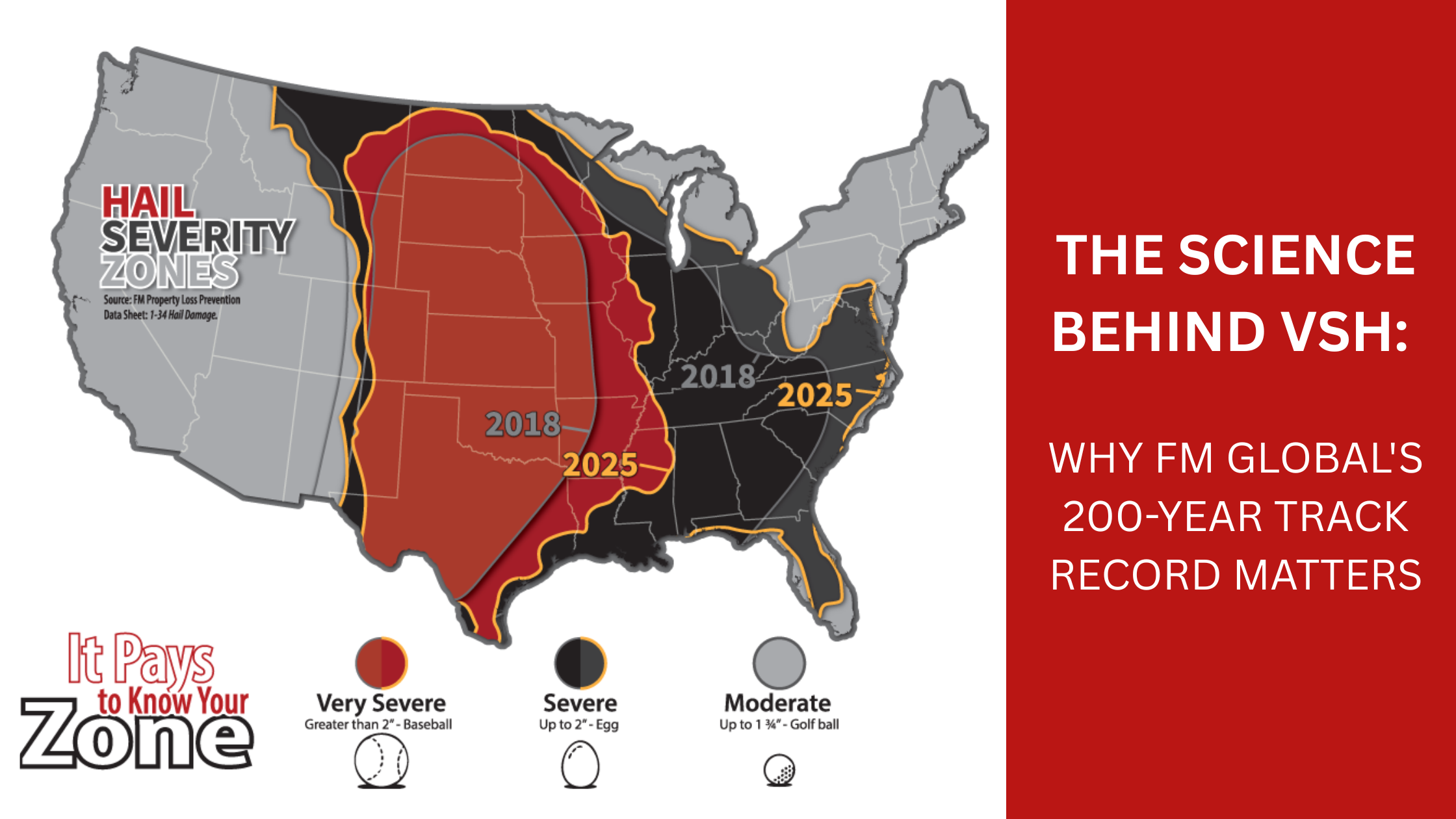
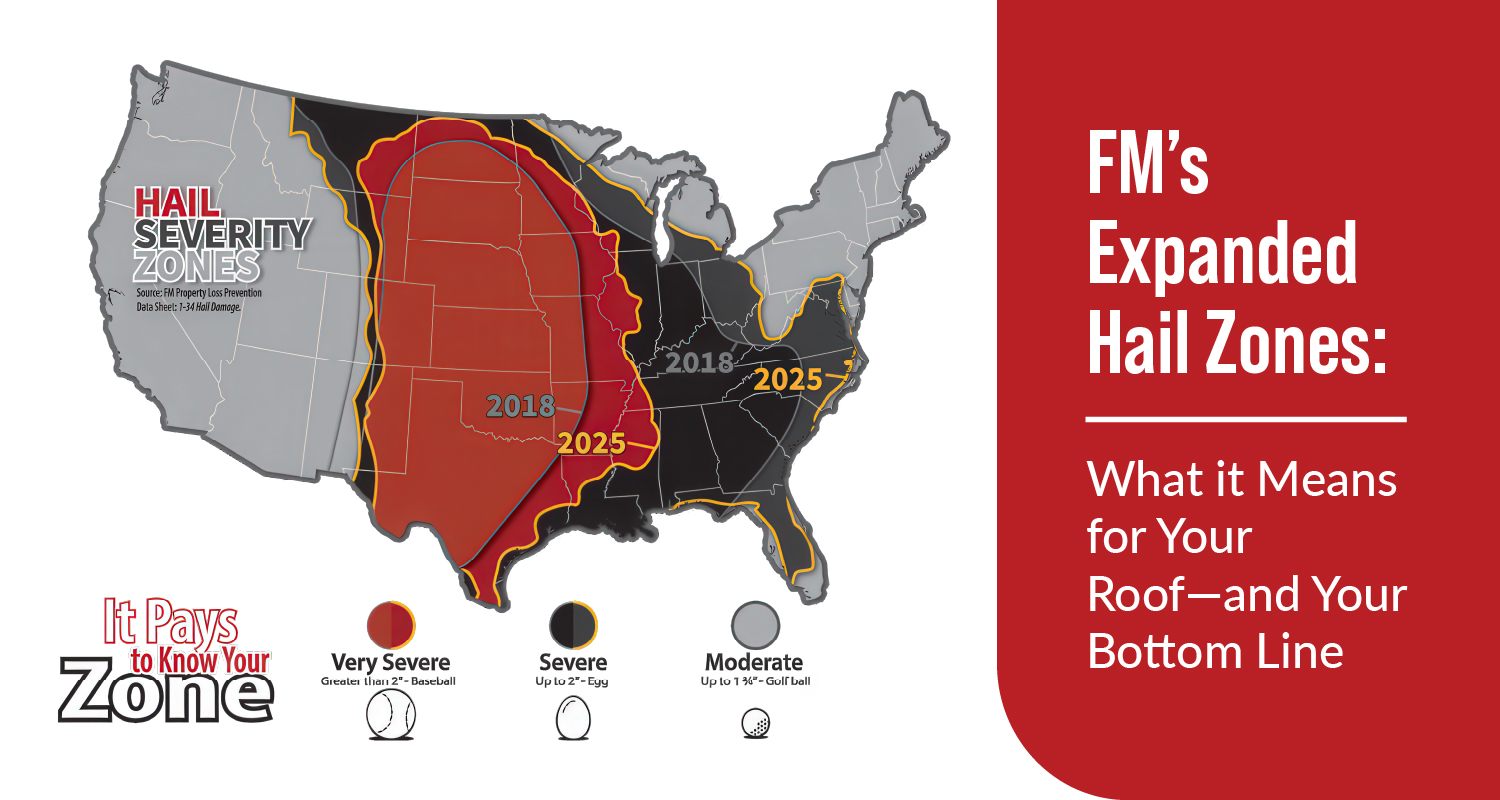
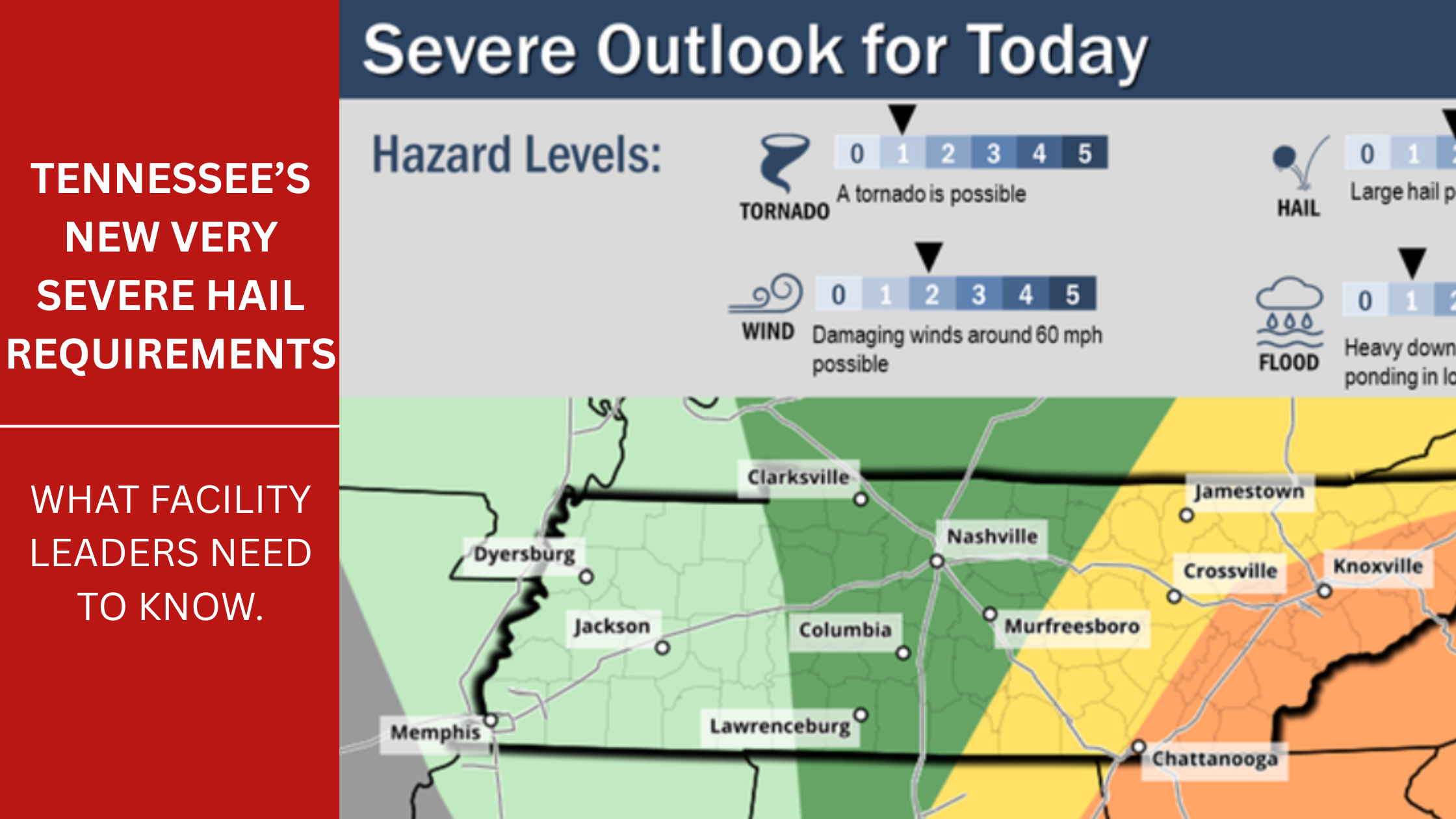
Tennessee has officially moved into a Very Severe Hail risk zone. Experts analyzing storm and claims data have identified a concerning trend: hailstones are becoming larger and more destructive, capable of damaging even well-maintained roofing systems. In response, roofing performance standards have been raised statewide.
For building owners, property managers, and facility teams, that means:
- Stronger roofing systems are now required and designed to survive faster, more destructive hail impacts.
- Older roofs may no longer meet code, even if they were compliant when installed.
- Insurance requirements are tightening and compliance may require upgrades.
- Roof inspections are now critical. Early detection prevents costly emergency repairs.
Hail is no longer just a maintenance issue. It is a growing operational threat.
Why This Matters for Tennessee Facilities
The impact of a hail-damaged roof extends far beyond aesthetics. Water infiltration and structural vulnerabilities can disrupt operations, put people at risk, and strain budgets.
Schools
After a heavy hailstorm, water can begin dripping into multiple classrooms while the gymnasium is temporarily closed due to roof damage. What seems like a simple repair can ripple through the entire school.
- Classroom relocations: Students may be moved to temporary trailers or different wings while repairs take place, requiring adjustments to schedules and daily routines.
- Athletic and extracurricular disruptions: Leaky gyms or damaged fields can postpone games, practices, and school events, affecting student participation and community engagement.
- Budget disruptions: Emergency repair costs can consume funds originally allocated for educational programs, technology upgrades, or staff development, forcing difficult financial decisions.
- Operational interruptions: Even minor leaks can damage books, computers, or other equipment, diverting time to cleanup instead of regular activities.
Proactive roof inspections and maintenance typically cost far less than emergency repairs and help schools maintain continuity, safety, and focus on their mission.
Hospitals and Healthcare Facilities
In hospitals, a compromised roof can disrupt patient care. Leaks in critical areas may force temporary closures of operating rooms, while sensitive medical equipment can be at risk of damage.
- Operating room closures: Structural issues can delay surgeries and essential procedures.
- Equipment damage: Medical devices exposed to water or debris may become inoperable.
- Revenue loss and reduced patient confidence: Service interruptions can lead to lost revenue, rescheduled appointments, and diminished trust in the facility.
- Staff disruption: Healthcare teams may need to adjust workflows or relocate services, adding pressure to already demanding operations.
Proactive roof maintenance in healthcare facilities protects both finances and patients, helping care continue without interruption.
Commercial Properties
For office buildings, retail centers, and other commercial properties, roof damage can threaten both business continuity and long-term value. Leaks and structural issues can force tenants to vacate spaces temporarily and disrupt normal operations.
- Tenant displacement: Damaged spaces may require tenants to relocate temporarily, interrupting daily operations.
- Lost rental income: Unusable spaces reduce cash flow and profitability.
- Insurance complications: Roofs that are not compliant or poorly maintained can lead to denied claims or higher premiums.
- Property value risk: Chronic roof issues can lower market value and complicate future sales or leasing agreements.
Investing in preventive roof care safeguards commercial properties from costly repairs, lost revenue, and long-term depreciation.
Proof in Action: VSH Makes a Difference
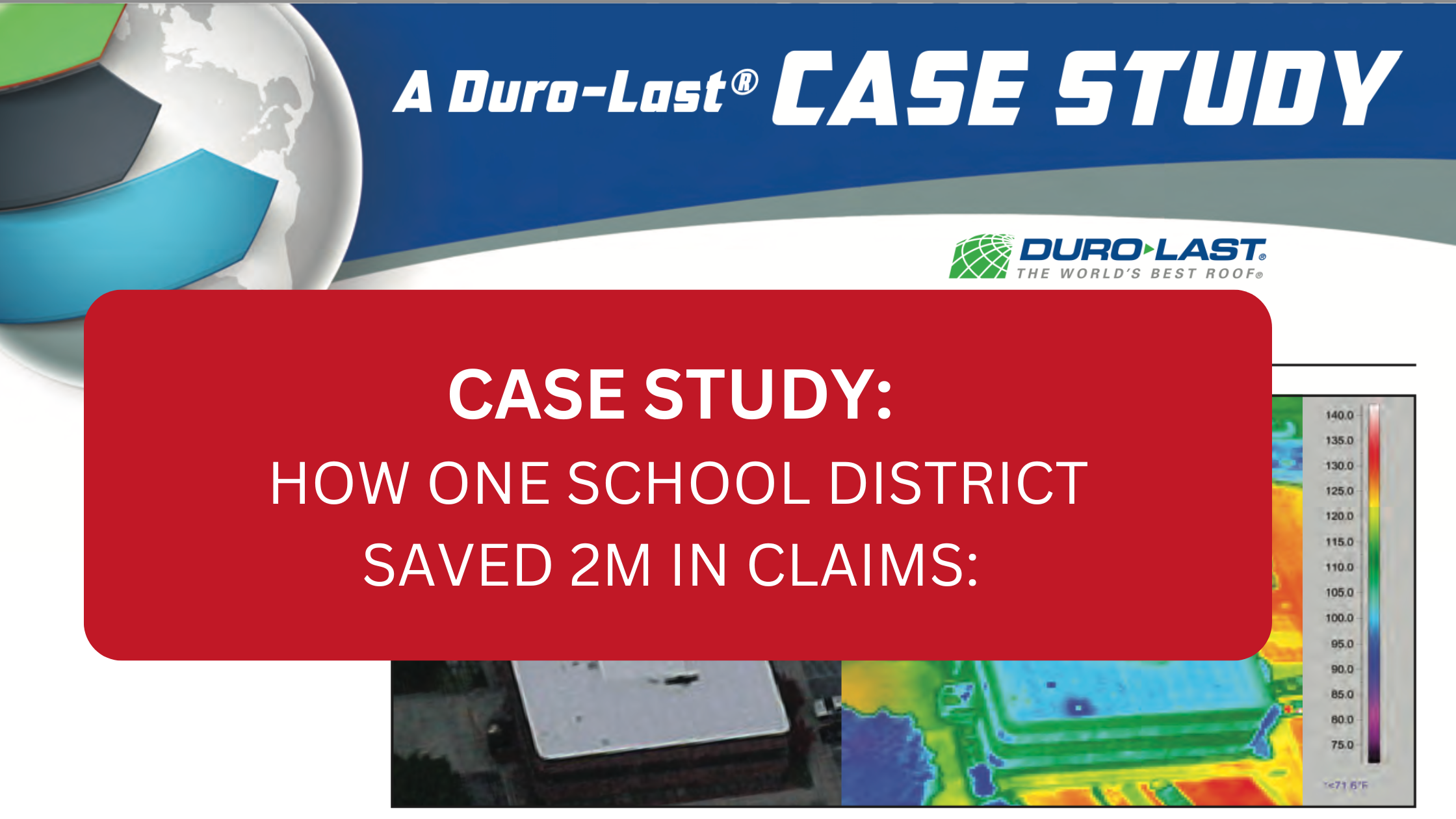
A recent case study from Roofing Contractor’s December 2024 issue highlights just how impactful VSH-rated systems can be.
Newton ISD (Texas) faced repeated hail events that had historically led to claims and costly disruptions. After upgrading to a VSH-compliant roofing system installed by Coryell Roofing, the district weathered major hail without damage, avoiding claims entirely and keeping students safely in class.
This is the future Tennessee facilities must prepare for and the results show the investment is worth it.
The Bottom Line
Tennessee’s VSH designation reflects a real increase in exposure, not a minor rule change. Stronger storms mean higher stakes and a greater need for proactive protection.
Being prepared now reduces the risk of costly disruptions later.
Why Coryell Roofing?
As Roofing Contractor’s 2024 Commercial Contractor of the Year, Coryell Roofing has been nationally recognized for leadership in resilient roofing solutions, including high-performance VSH systems.
We partner directly with FM Approvals, ensuring rigorous testing and compliance standards that protect facility owners from both structural risk and insurance headaches.
We provide:
- VSH-compliant roofing systems engineered for maximum impact resistance
- Comprehensive inspections and storm-vulnerability assessments
- Preventive maintenance and lifecycle budgeting to eliminate surprises
- Expert navigation of code + insurance requirements
Our mission remains simple: bring clarity, confidence, and performance to every roof we protect.
“Schools often react only when water enters their buildings,” said Chris Coryell, CEO of Coryell Roofing. “We want to help them be proactive, and to prevent issues before they arise.”
What to Do Next
If your facility hasn’t been reviewed since Tennessee’s hail classification changed, it’s time to take action:
- Confirm whether your building lies within a VSH risk zone
- Assess your current roof’s protection level
- Plan upgrades before severe weather forces the issue
Don’t wait for the next storm to test your roof.
Schedule a free VSH readiness consultation with Coryell Roofing and ensure your facility is protected, compliant, and future-ready.
Protect your people. Protect your operations. Protect your bottom line.
Coryell Roofing is ready to help you stay ahead of the next storm.
Contact our team today to get started.
Coryell Roofing
Helping you protect what matters most—without the headache.