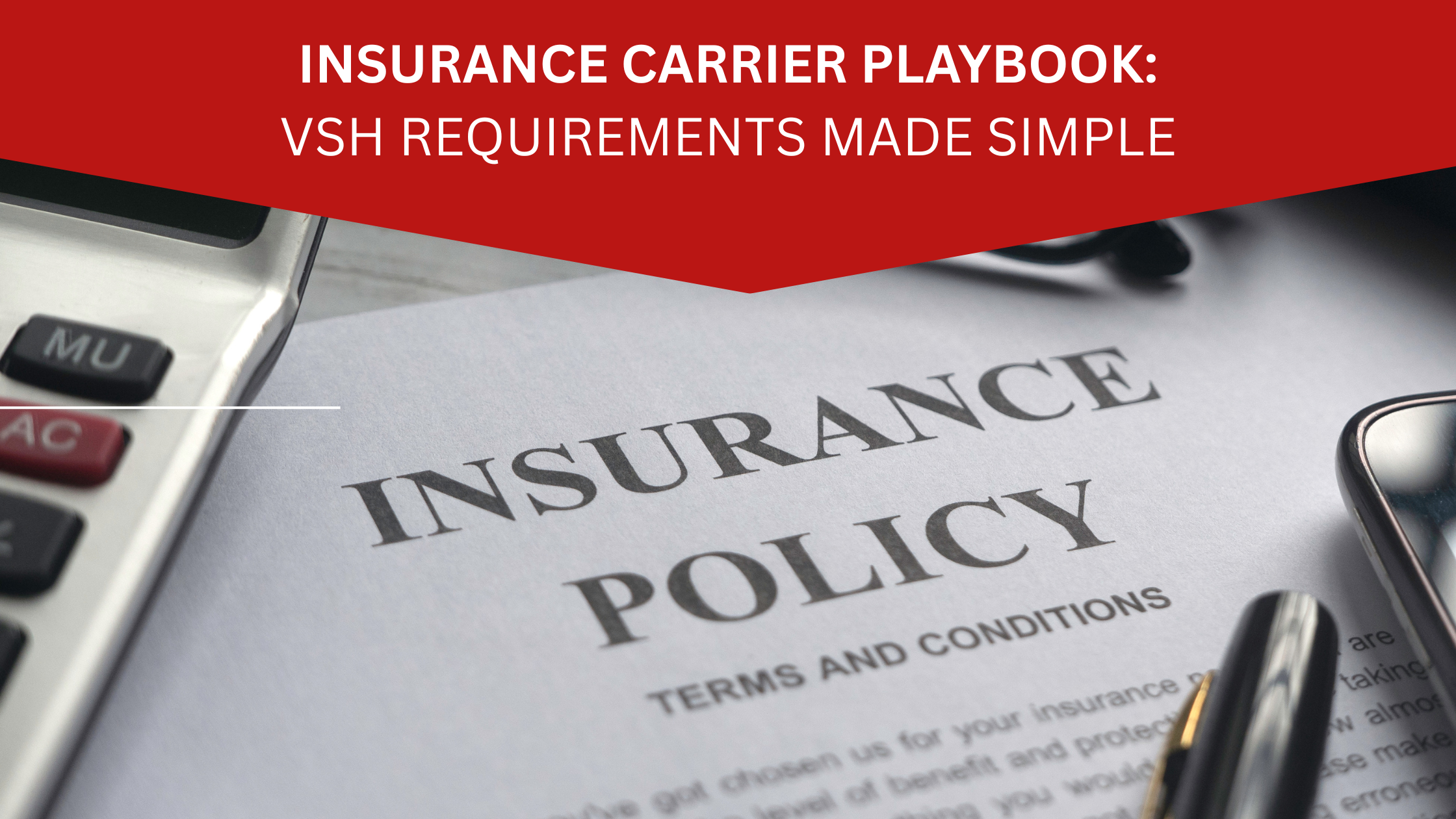
You know the feeling. Severe weather strikes, your roof is damaged, and the first thing you do is call your insurance company. Every term you hear sounds like a foreign language, from “VSH compliance” and “FM Global standards” to “subrogation clauses” and “impact resistance tests.” Suddenly, you are not just worried about your roof, you are worried you will not understand what your insurance covers.
The good news is that VSH requirements do not have to be confusing. Understanding them could save your facility thousands in unexpected damage.
What VSH Means for Your Roof
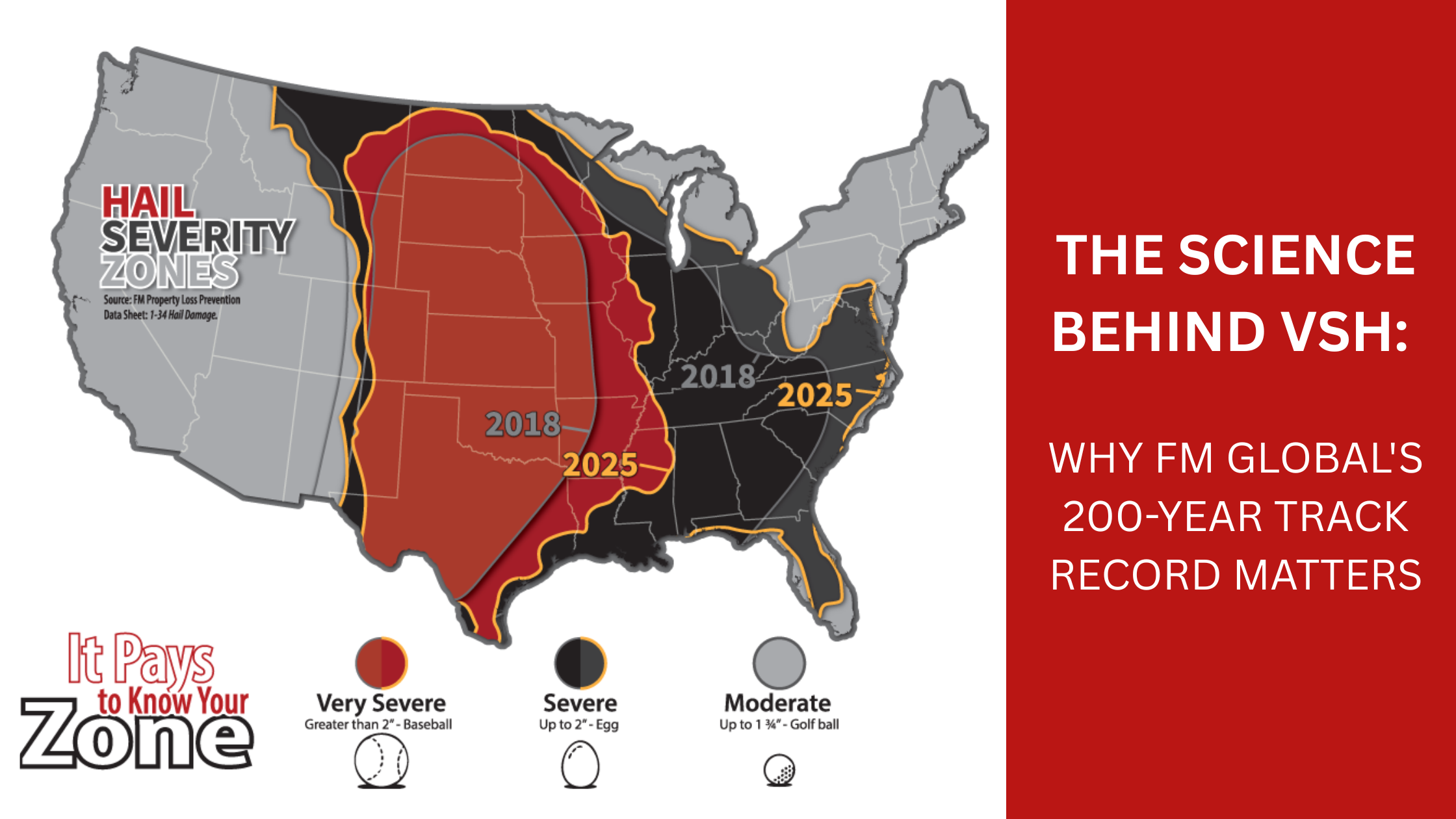
Picture this: hail the size of golf balls pounding your roof at high speed. Each strike could dent panels, loosen fasteners, or crack the substrate beneath. This is exactly what VSH, or Very Severe Hail, measures. It is a roof’s ability to survive the worst possible hailstorm.
Insurance carriers rely on VSH certification because it proves your roof can handle:
- High-velocity hail, often 2 inches or larger
- Multiple impact points on seams, fasteners, and vulnerable areas
- Stress on new, weathered, or heat-aged roofing materials
Without proper VSH documentation, even a seemingly strong roof might be flagged as non-compliant by insurers, which could affect coverage or claims.
Why Insurance Carriers Care
Imagine opening your facility the morning after a hailstorm. Water is dripping from the ceiling, insulation is soaked, and delicate equipment is damaged. You call your insurer, but without VSH documentation, your claim could become complicated or even denied.
Insurance providers focus on risk. A roof that is not VSH-certified exposes your facility to:
- Water infiltration and interior damage
- Equipment loss or contamination
- Emergency closures or operational downtime
- Higher claims costs and potential disputes
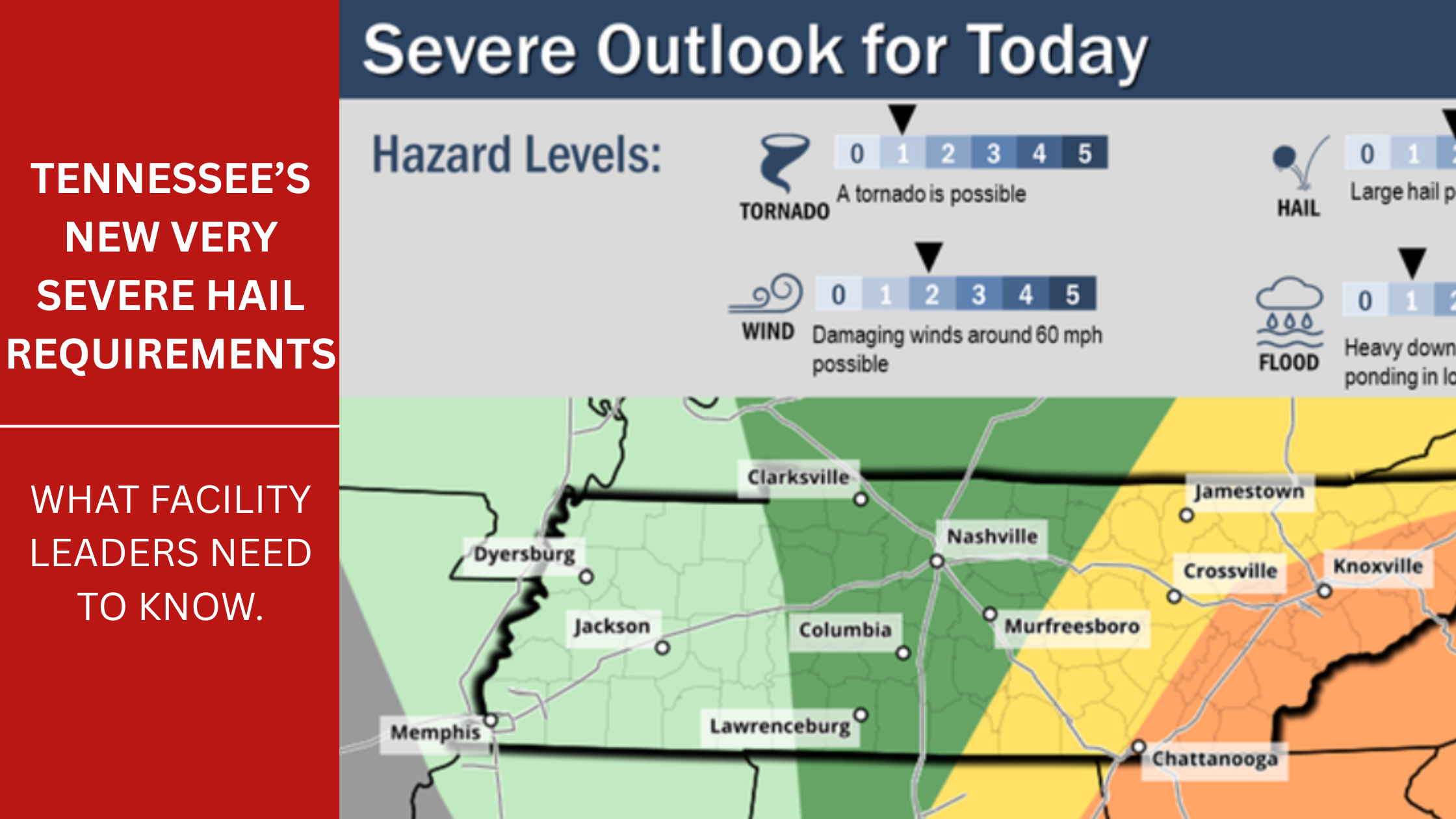
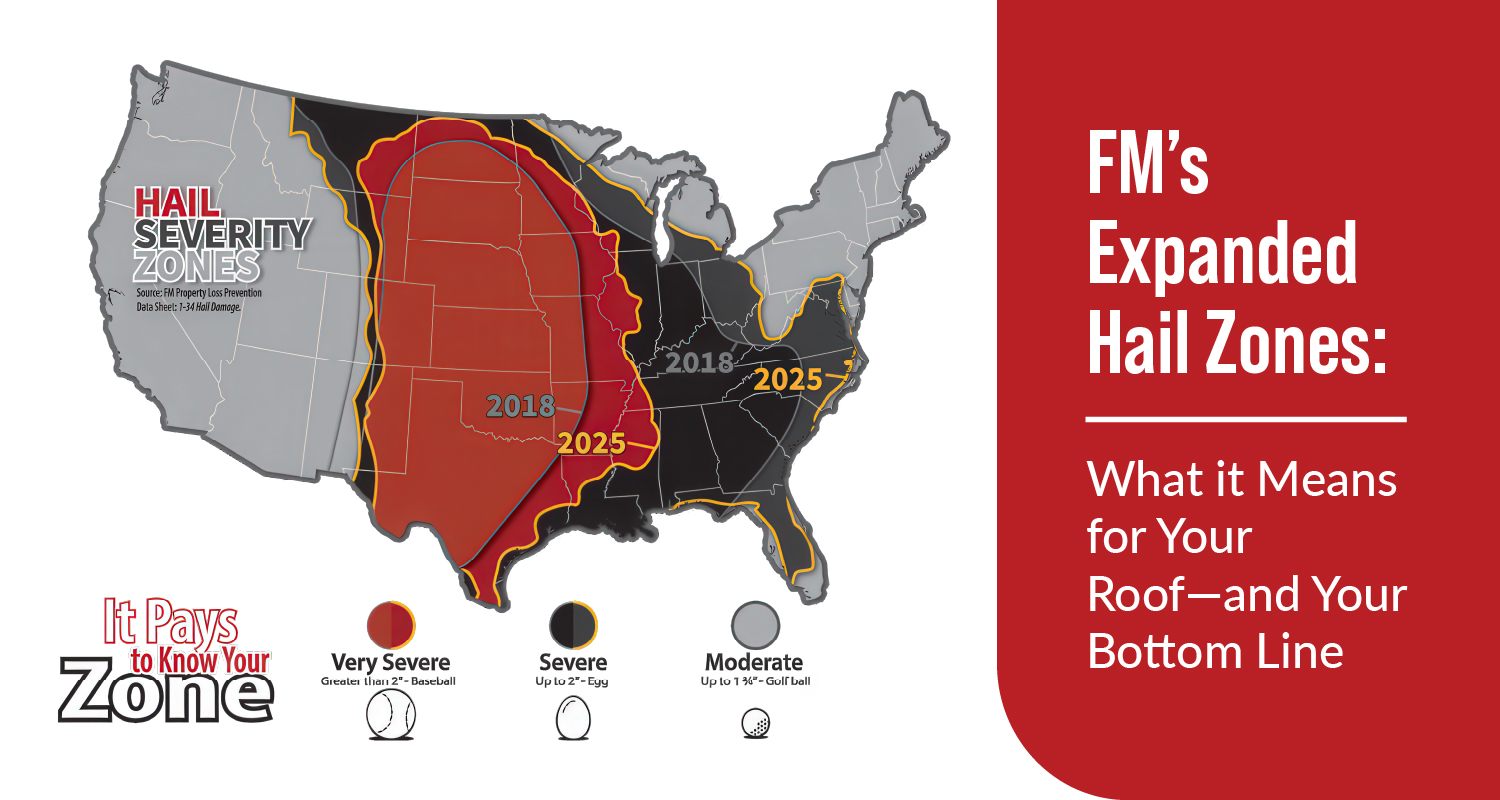
In hail-prone states like Oklahoma, Texas, Arkansas, Missouri, Kansas, and Tennessee, VSH compliance is often required to get full coverage. For schools, hospitals, and government facilities, the stakes are even higher.
Common Pitfalls
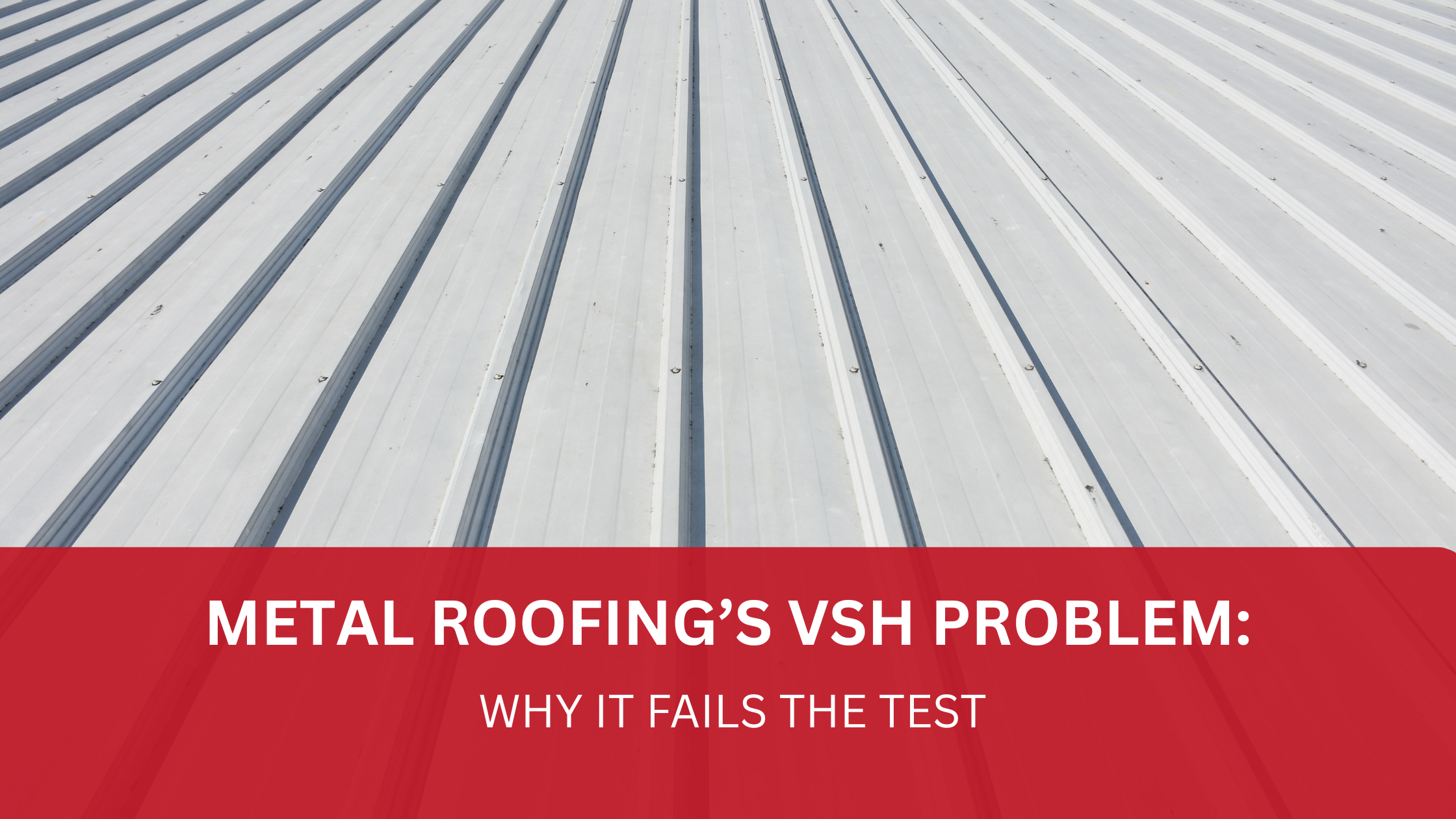
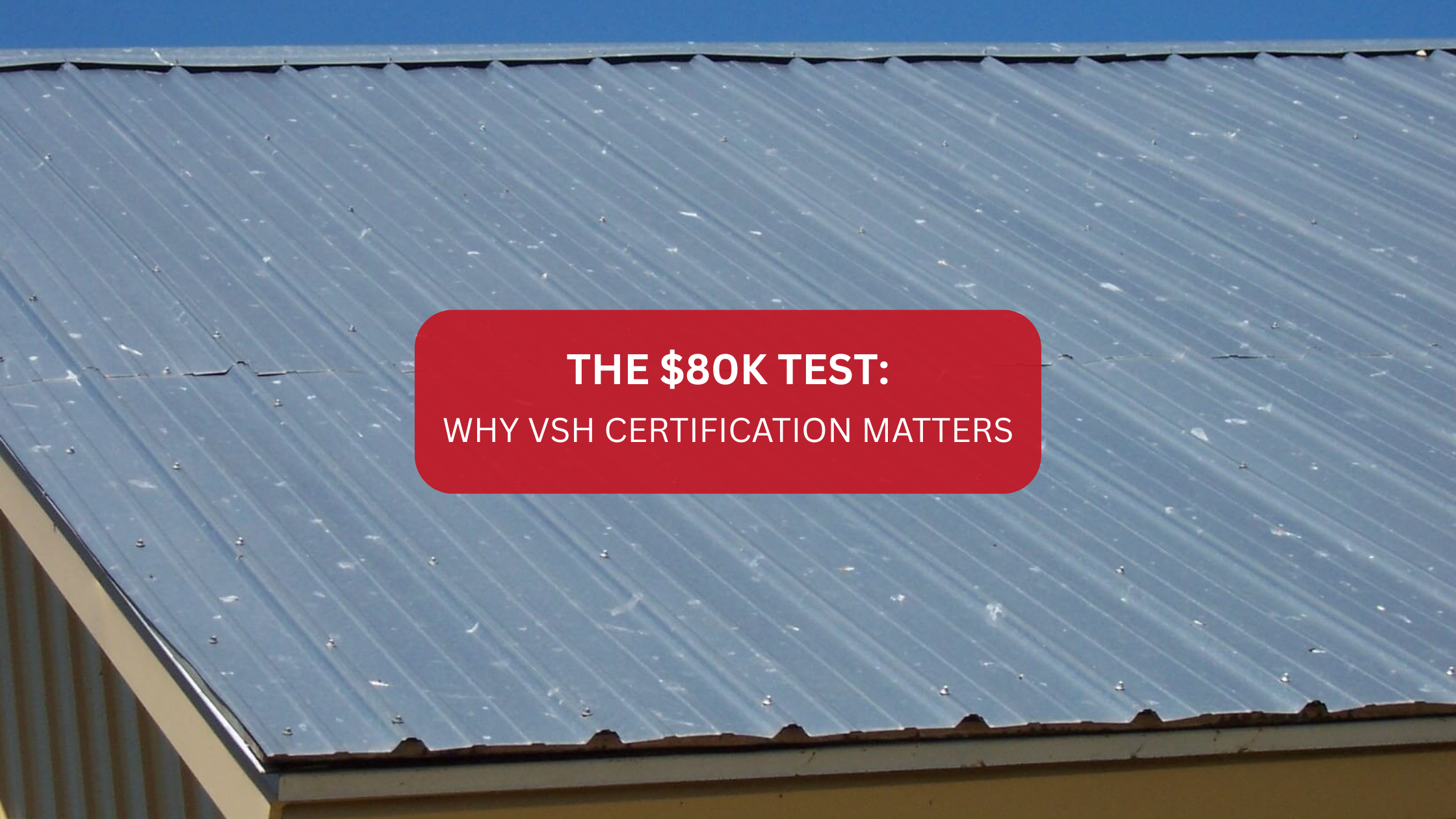
Even seasoned building owners can make costly mistakes. Imagine thinking your roof is strong, only to learn after a storm that fasteners sheared off, panels dented, or the substrate cracked. These are the hidden weaknesses insurers look for.
The most frequent pitfalls include:
- Fasteners that fail under impact
- Roofing panels that dent or crack
- Substrate damage that weakens the assembly
Insurance carriers do not just care about appearances. They want evidence that the roof’s structure and materials can survive the most extreme hailstorm, not just that it looks intact after one storm.
Simplifying the Insurance Playbook
Coryell Roofing helps building owners translate the insurance playbook into clear, actionable steps. Imagine a team that assesses your roof, designs systems to pass VSH tests, and even provides documentation for your insurance provider. That is exactly what we do.
Our approach includes:
- Risk Assessment: Evaluate if your current roof meets VSH standards
- VSH-Compliant Design: Engineer assemblies tested for extreme hail performance
- Insurance Support: Provide documentation that satisfies FM Global and other carrier requirements
- Long-Term Protection Plans: Keep roofs compliant and durable while reducing emergency repairs
The Bottom Line
Severe hailstorms are unpredictable, but your roof’s performance does not have to be. Understanding VSH requirements and working with experts ensures your roof protects your facility, occupants, and operations, even in the worst weather.
Protect Your Facility Before the Next Storm
Picture yourself safe inside a building while a hailstorm pounds the roof above. You do not hear leaks, see damage, or worry about insurance disputes. That peace of mind is what a VSH-compliant roof delivers.
Coryell Roofing can assess your system, design VSH-compliant solutions, and make sure your facility is ready for hail events of any severity. Contact us today to schedule a Roof Performance Assessment and protect your facility before the next storm hits.
Coryell Roofing
Helping you protect what matters most—without the headache.