Listen on Spotify: Coryell Roofing: Setting The Standard | Podcast on Spotify
Also available on all major podcast platforms.
In the second episode of Setting the Standard, host Chris Coryell sits down with Trent Cotney, partner at Adams and Reese and general counsel to the NRCA, FRSA, RT3, and WSRCA. He helps contractors how to better mitigate risks and navigate the challenges of the construction world. He’s one of the most influential legal and policy voices in construction and roofing.
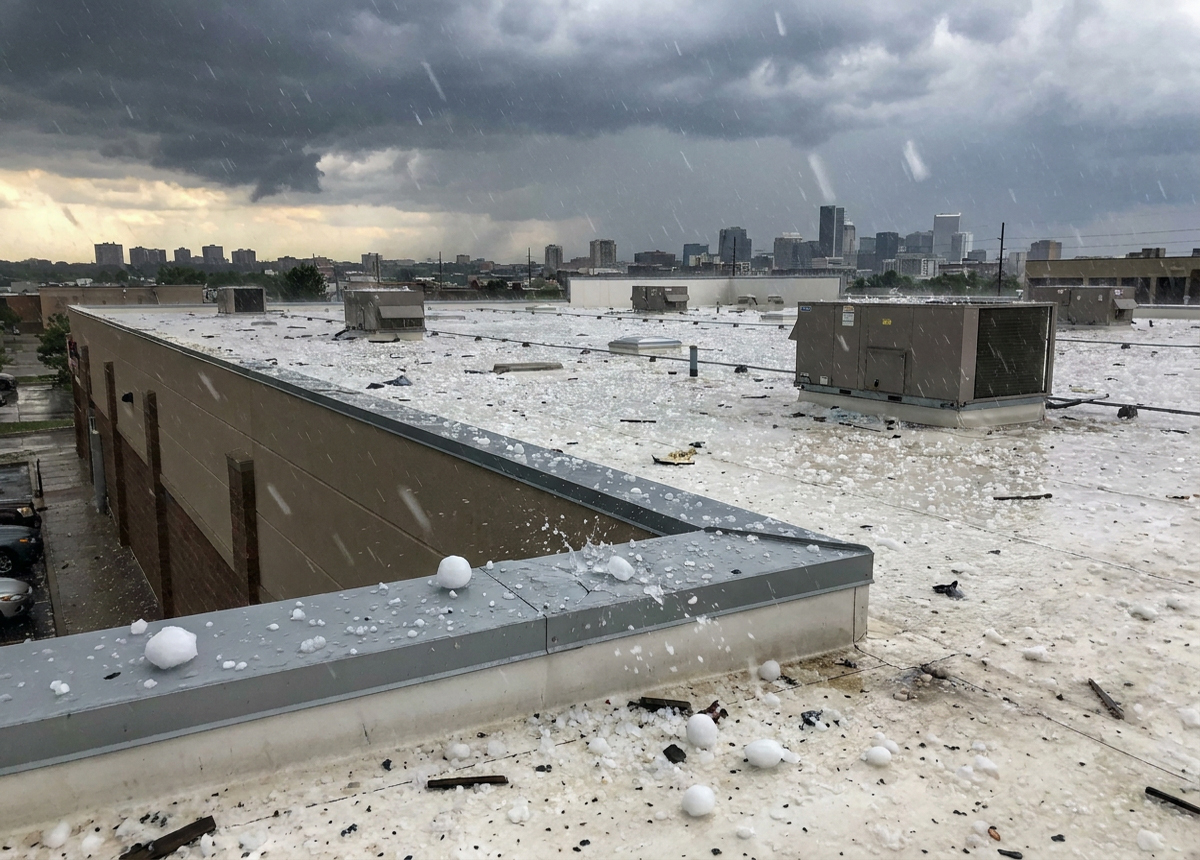
There Is No Building Code That Protects Your Roof From Hail
Let’s take Texas, since that is where Chris was sitting when he recorded this.
For the last twenty to twenty five years, every roofing contractor working in Texas has been required to follow code. Two codes, specifically. The International Building Code and the International Energy Conservation Code.
IBC is life safety. It protects people. IECC is energy efficiency. It protects the environment.
Read that again and notice what is missing.
There is no code, in Texas or in most states, that requires a roof system to be designed to survive the storms that region actually gets. Nothing obligates a contractor to install a system built to handle severe hail or high wind. You can meet every requirement in the book and still put a roof on a school in the middle of hail alley that was never engineered for hail.
That is not a loophole somebody is exploiting. That is just the gap. And it has been there a long time.
What twenty five years of that gap produced
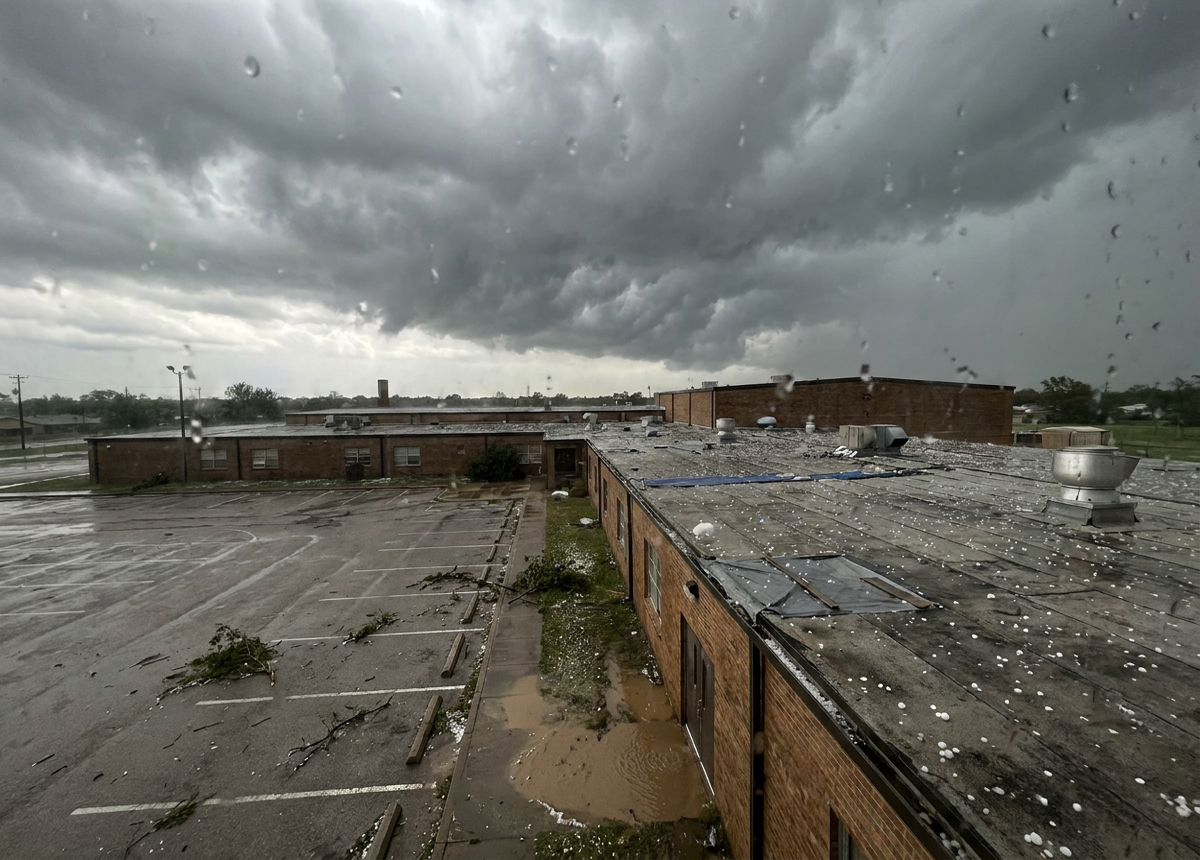
The result is exactly what you would predict. Across Texas and a lot of other states, inadequate systems went on building after building, all of them fully code compliant, none of them built for the weather.
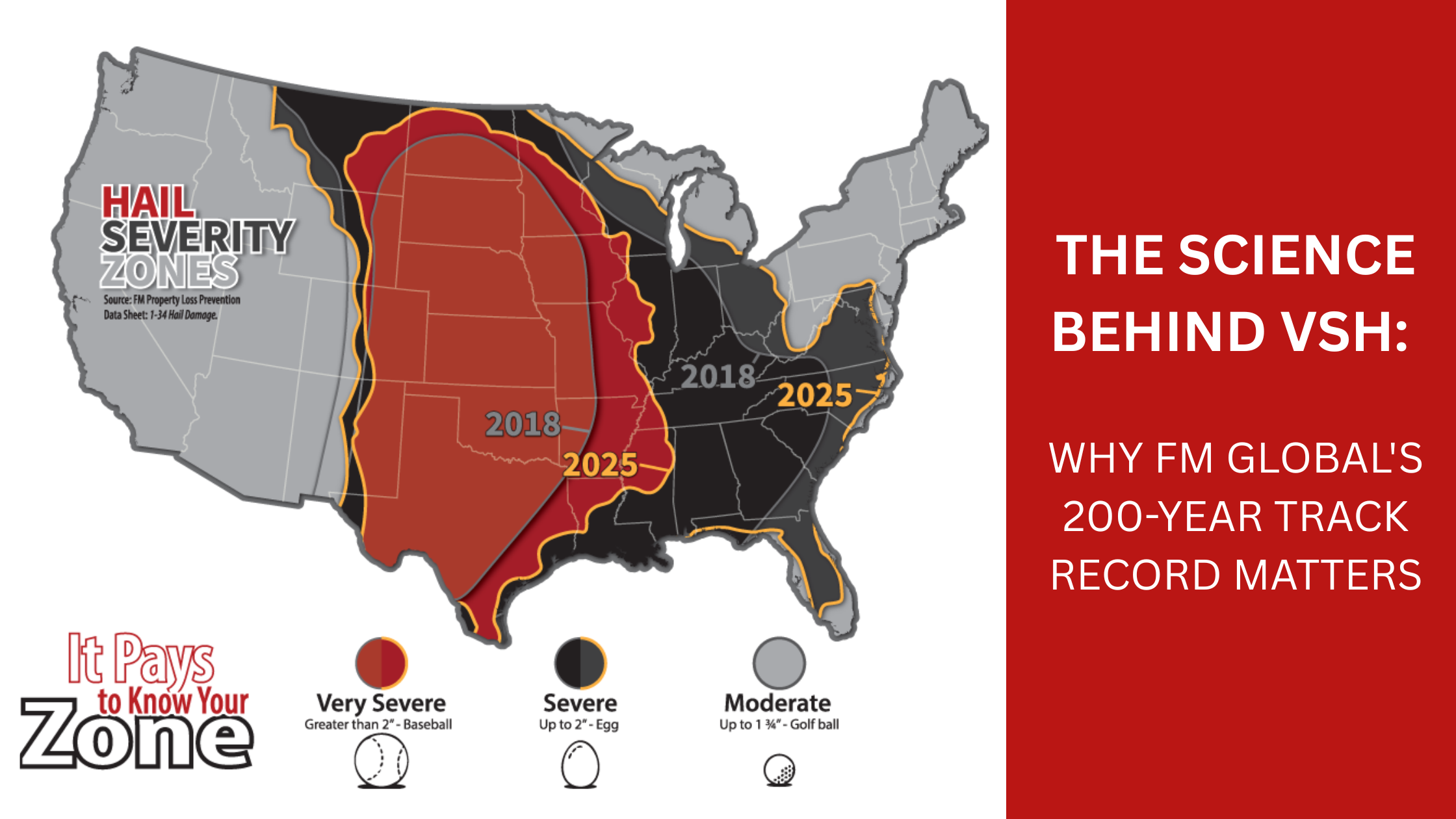
We are seeing systems installed in very severe hail regions that are not rated to handle moderate hail.
The insurance companies figured this out before most building owners did. And they have said enough. They are not writing those risks anymore, or they are writing them with deductibles high enough that filing a claim stops making financial sense. When the deductible offsets what you would collect, you are paying for that roof either way.
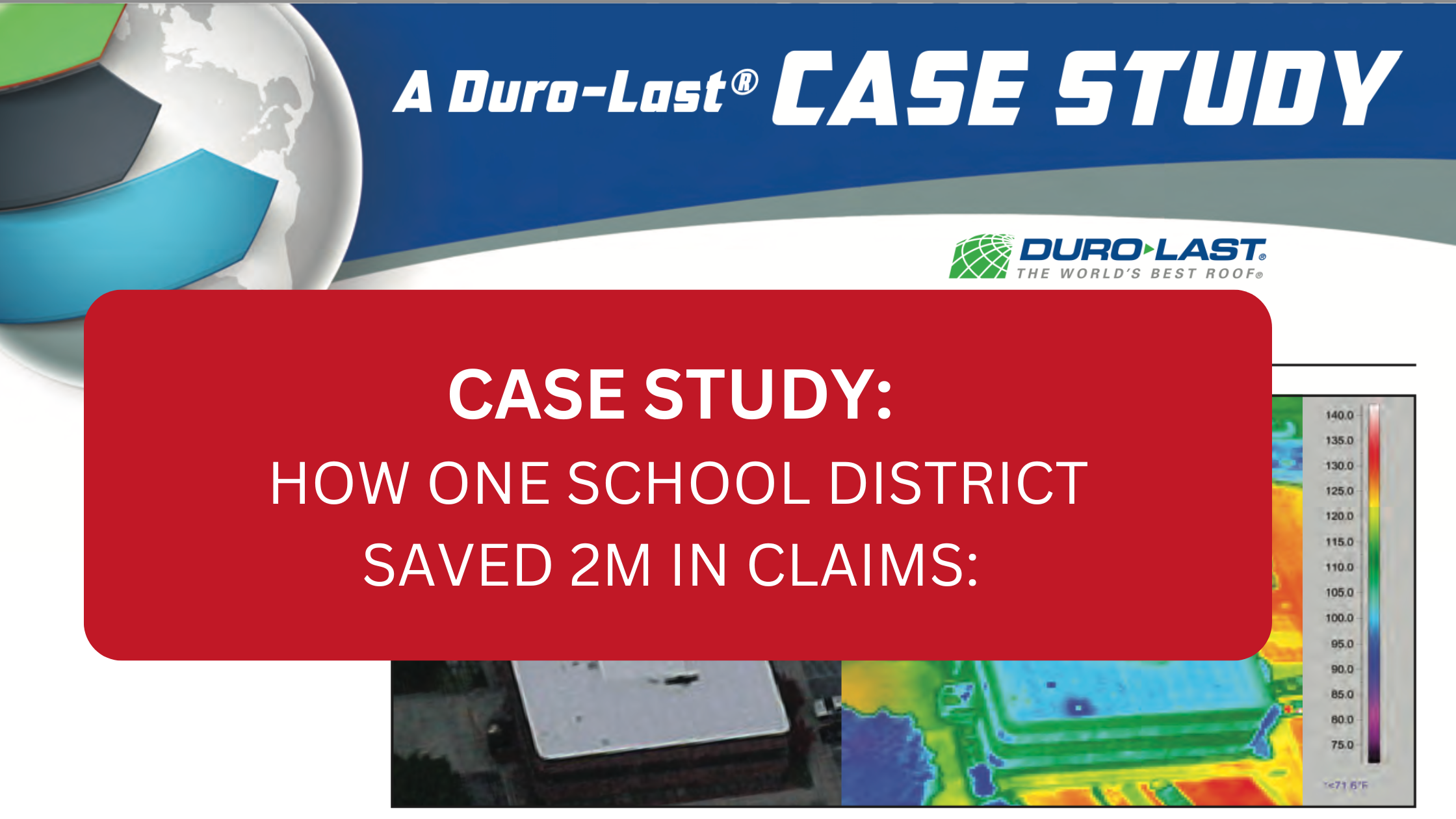
For a school district, that is not an abstraction. That is a line item that did not exist five years ago and now competes with everything else in the budget.
Why school boards keep landing here
Chris has said for years that school board members are at a genuine disadvantage, and he means it as a defense of them, not a criticism.
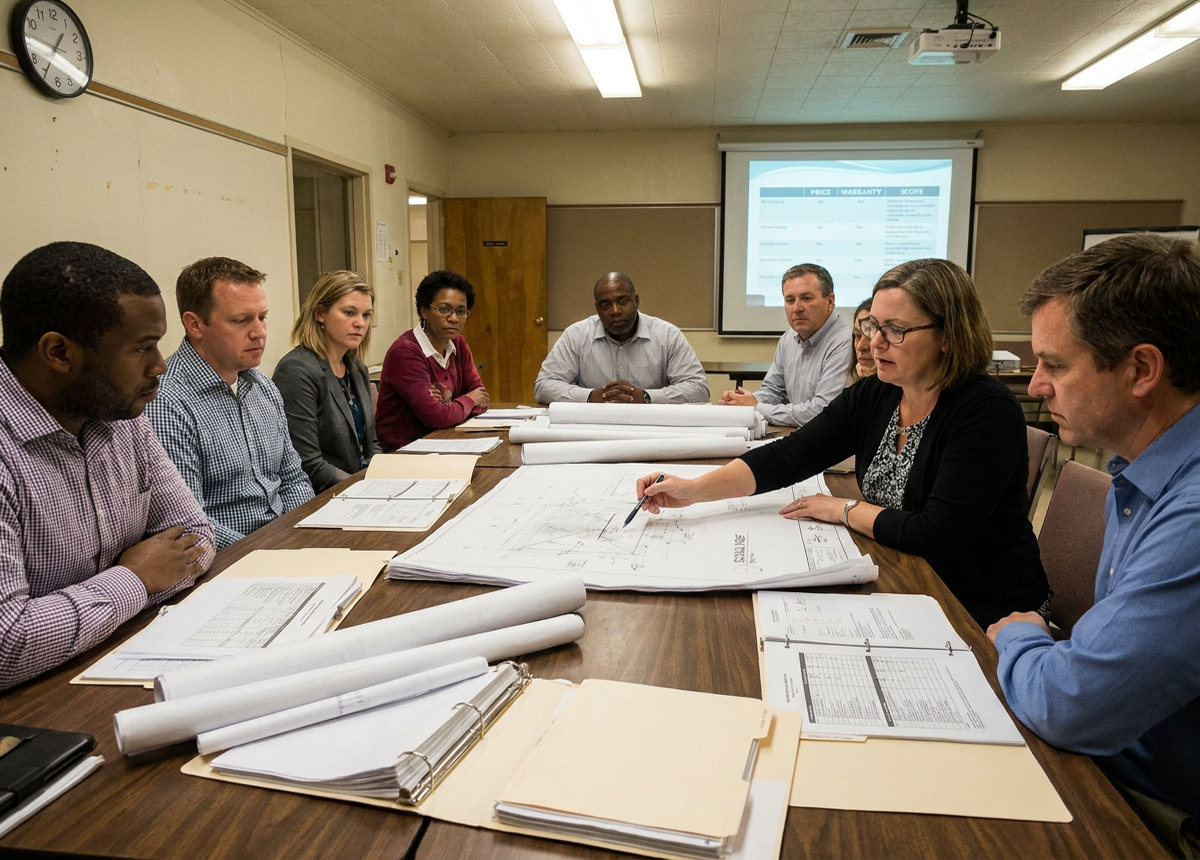
A school board member is an elected volunteer. Somebody who cares about their community and ran to serve it. Then they are handed a multi million dollar roofing decision that will shape that district for the next twenty to thirty years, and in a lot of meetings they get fifteen or twenty minutes to make it.
Nobody in that room is a roofing expert. They should not have to be.
Meanwhile, the bid laws that govern how the decision gets made point almost entirely at two things: price and warranty. Scope barely enters the conversation. So the longest warranty at the lowest price tends to win, and the district finds out years later what was actually in that scope.
Trent’s take on why disputes end up in litigation lines up with this exactly. The majority of them trace back to something ambiguous in the contract documents. Ambiguity creates disputes. And ambiguity almost always starts at the specification stage, long before anybody sets foot on the roof.
What actually closes the gap
Our motto is that we protect people, property, and policy. That third one gets forgotten, and it is the one that keeps districts solvent.
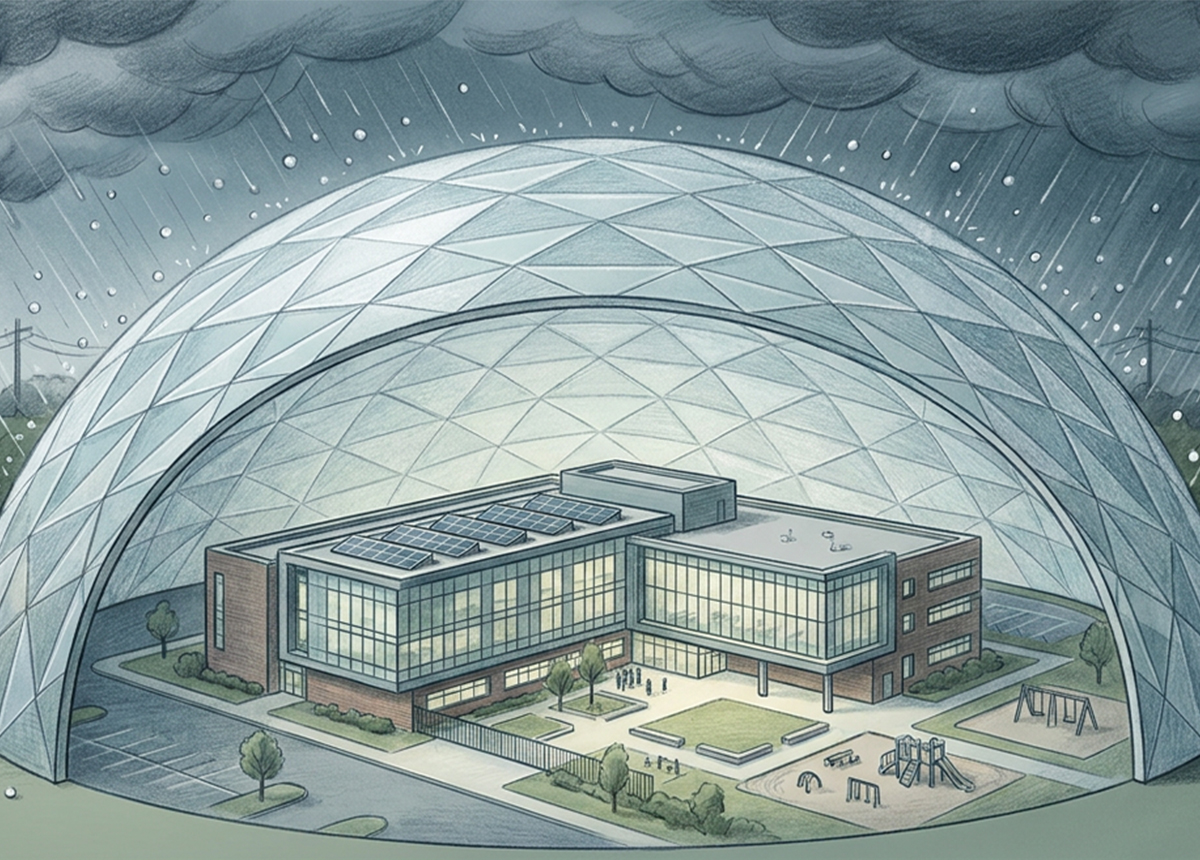
Closing the gap starts at design. It means specifying a system for the hail and wind the building will actually face, not the minimum the code will accept. It means the manufacturer inspecting the work, not just warranting it. And it means somebody sitting down with the board before the bid goes out, so the decision is made with real information instead of in fifteen minutes.
Chris and FM Approvals have spent the last several years taking this to school boards, contractors, and state legislators across the central United States, working toward a uniform standard for school roof systems in severe weather regions.
Not because the code is wrong. Because the code was never written to do this job in the first place.
Take Action
Have you had your roof inspected recently? Do you know if your school would be protected in the next major storm?
Let us help you create a loss prevention plan that works.
Schedule a Free Roof Performance Assessment
Stay tuned for more powerful conversations in upcoming episodes of Setting the Standard. We’re just getting started.