The Situation
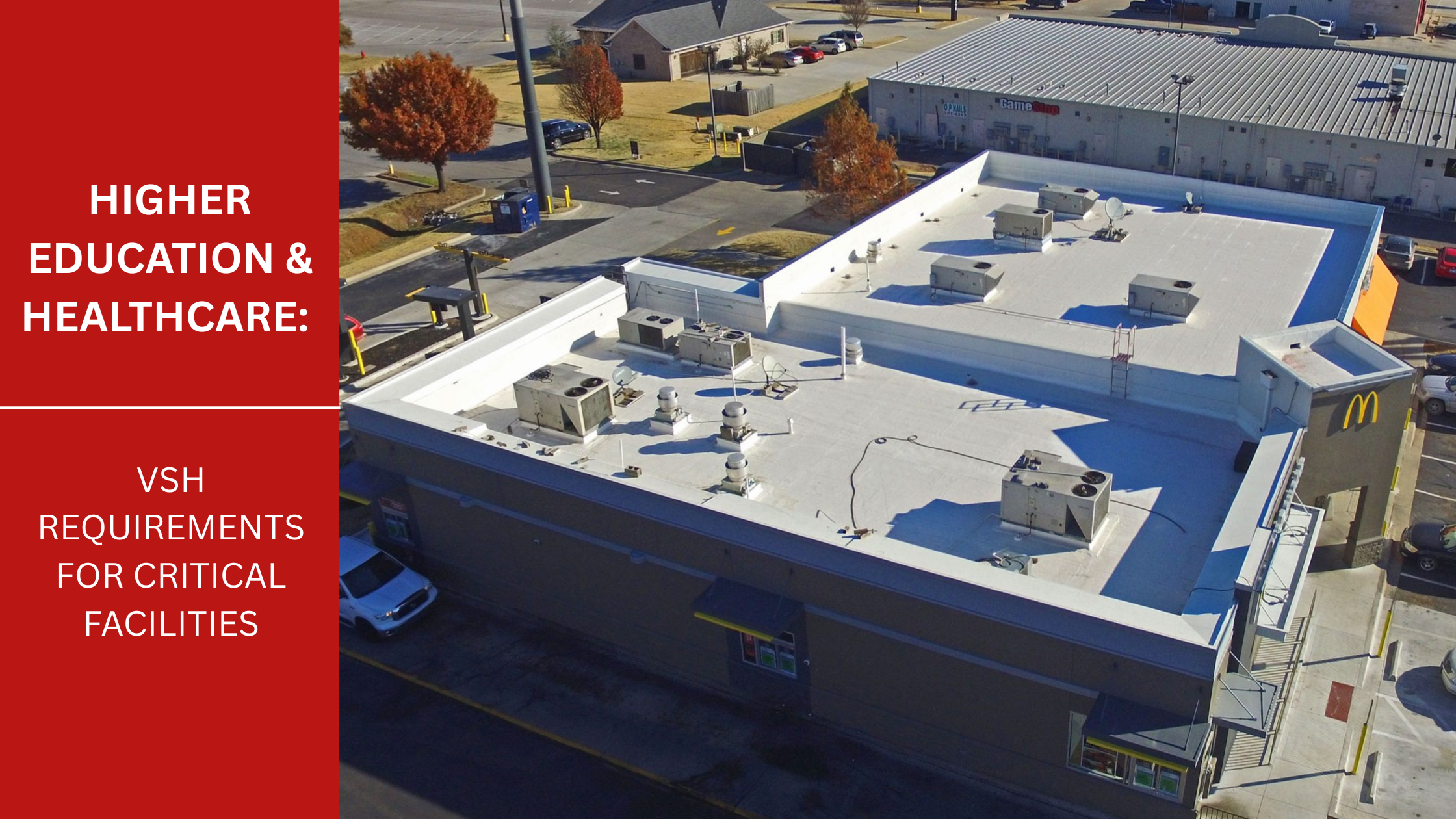
When a major hailstorm swept through a hail-prone region, one large public school district found itself at a crossroads. With dozens of campuses spread across the district and millions of dollars in facilities at risk, leadership knew that one bad storm could mean years of budget strain, disrupted classes, and drawn-out insurance disputes.
Instead of reacting after damage occurred, the district took a proactive approach to roof performance and insurance compliance. That decision ultimately saved them more than $2 million in insurance claims, emergency repairs, and operational disruptions.
Here is how they did it and what other school districts can learn from their strategy.
The Challenge: Aging Roofs and Rising Risk
Like many school districts, this one managed a wide mix of buildings. Some roofs were newer, others decades old. Many had been repaired multiple times after storms, creating patchwork systems with varying performance levels.
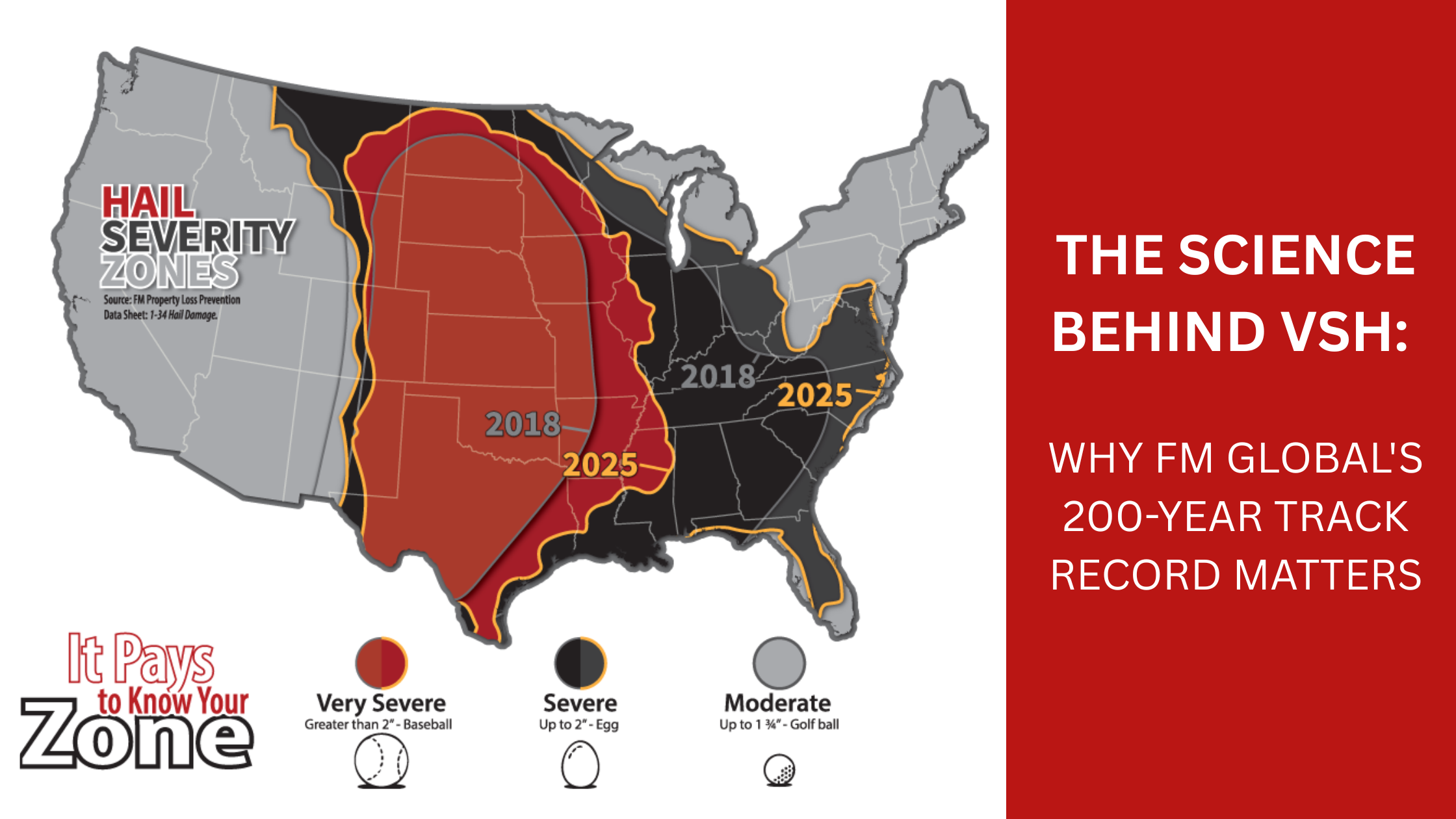
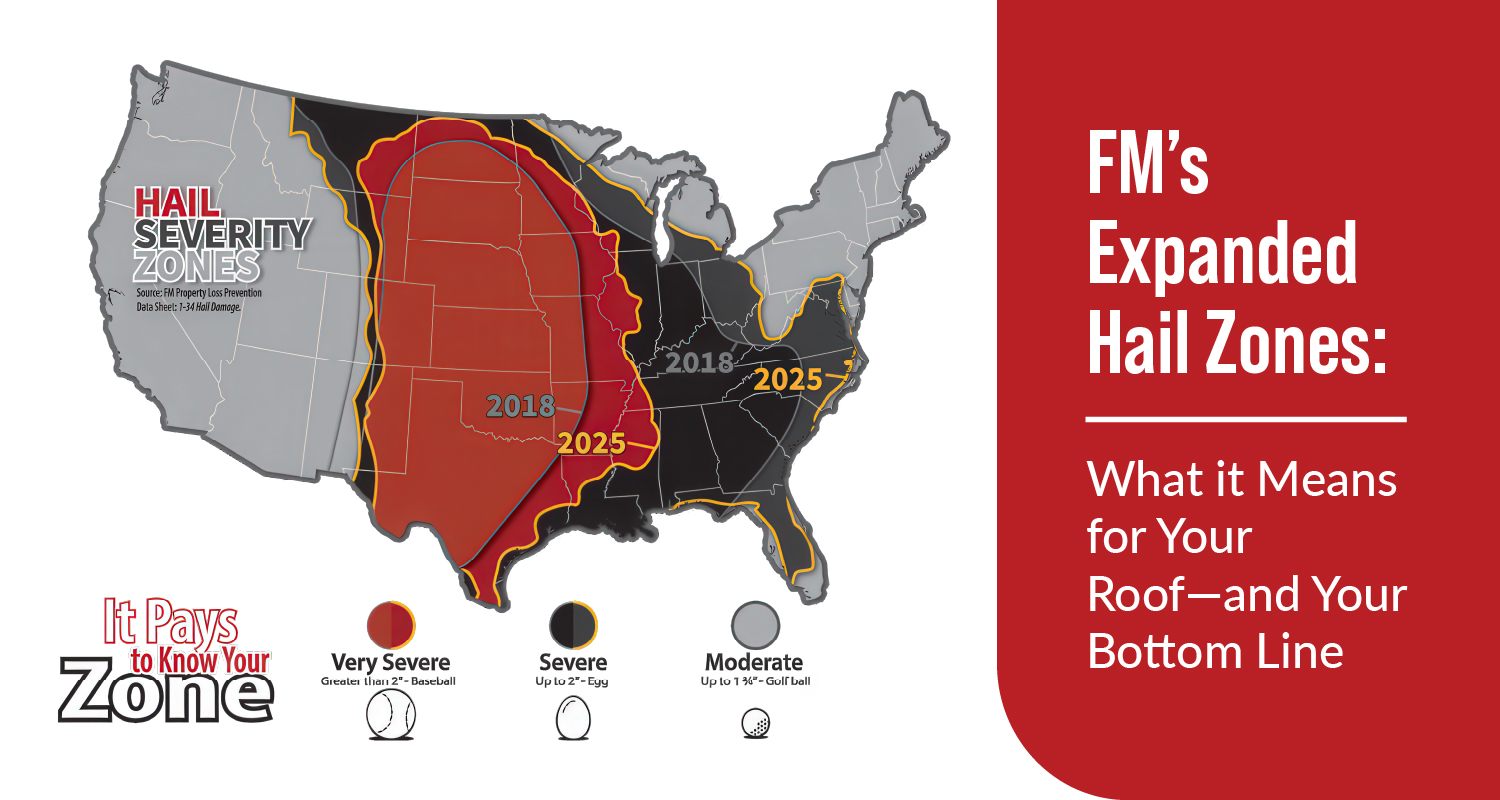
Insurance carriers had started asking tougher questions: Which roofs were rated for Very Severe Hail? Where is the documentation proving impact resistance? How much risk exposure existed across the district?
Without clear answers, the district faced the possibility of higher premiums, coverage limitations, or denied claims after the next major storm.
The Risk of Doing Nothing
Historically, the district followed a reactive model. Storm hits. Leaks appear. Claims are filed. Repairs are made.
But this approach came with hidden costs:
- Emergency repairs at premium rates
- Interior damage to ceilings, flooring, and equipment
- Temporary classroom relocations and administrative time spent on claims disputes.
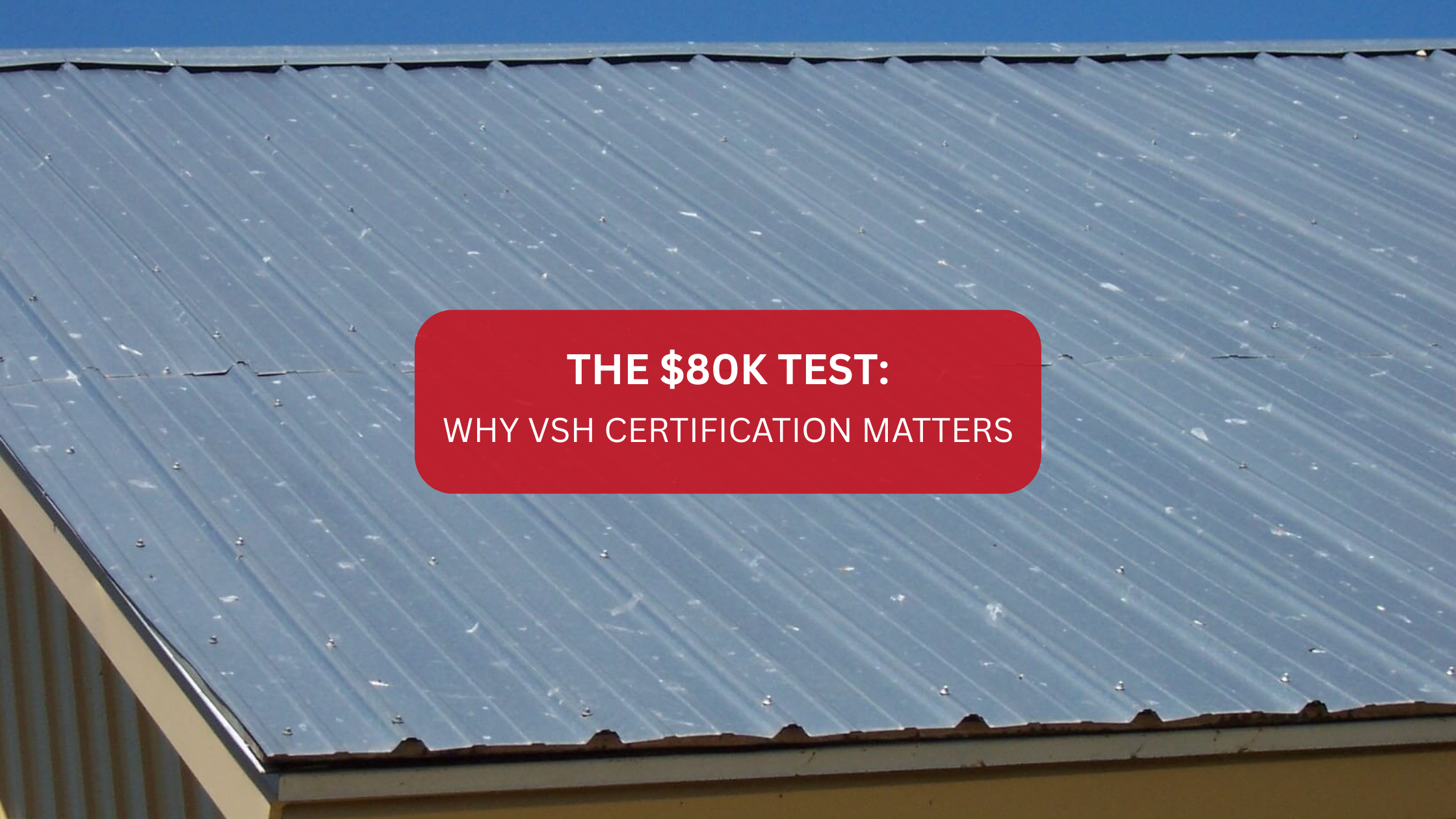
One severe hail event across multiple campuses could easily exceed seven figures in total losses.
The Strategy: Standardizing Roof Performance
Instead of waiting for failure, the district decided to standardize roof performance across its facilities.
The plan focused on three key actions:
- Comprehensive Roof Assessments: Every campus underwent a detailed roof evaluation to identify vulnerabilities, hail exposure risk, and compliance gaps.
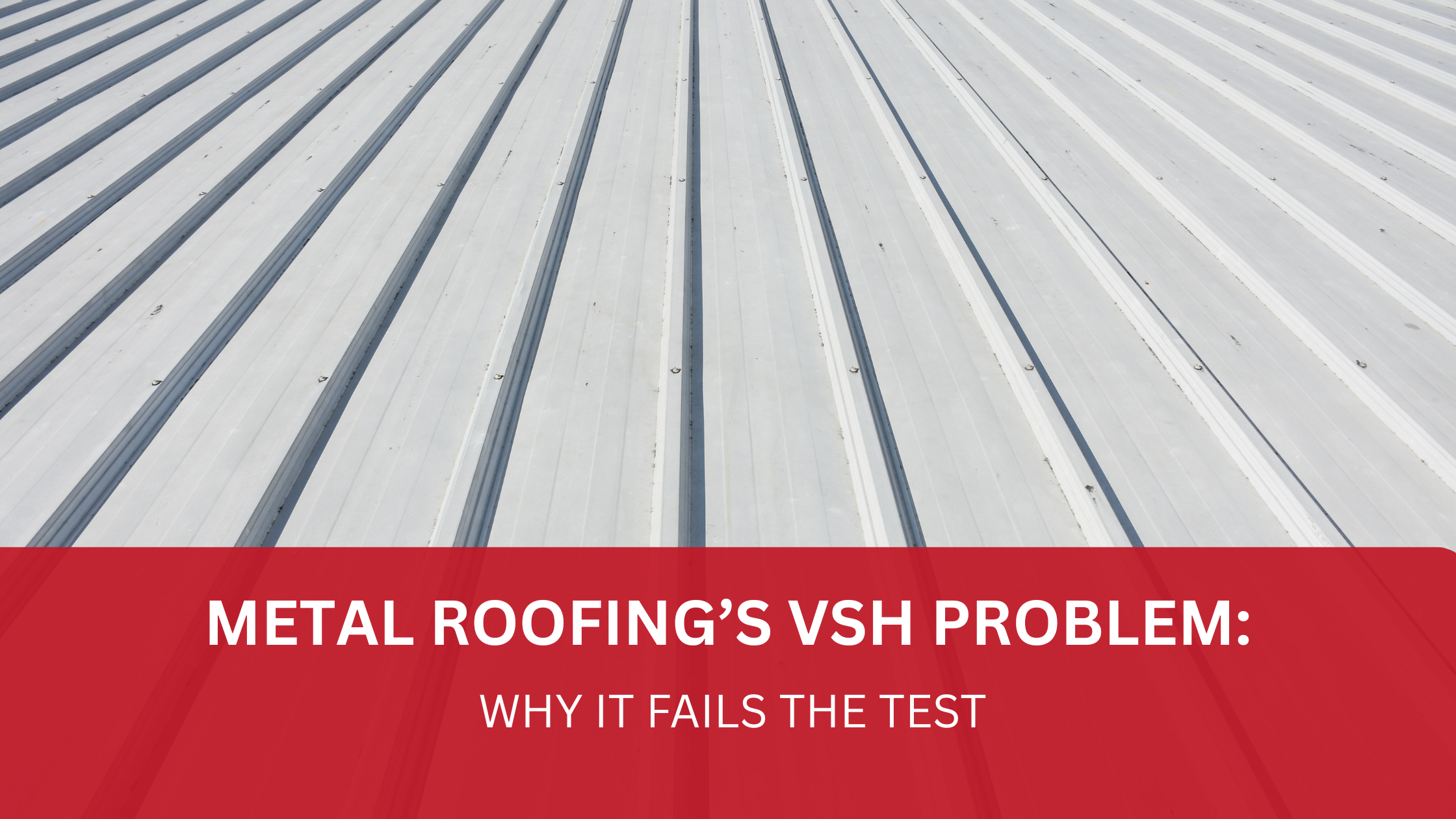
- VSH-Compliant Roofing Systems: When roofs needed replacement or upgrades, systems were selected and designed to meet Very Severe Hail requirements. This ensured the assemblies could withstand high-velocity hail impacts without compromising performance.
- Insurance-Ready Documentation: Each project included proper testing data, manufacturer certifications, and documentation that insurance carriers require. This removed ambiguity before storms ever occurred.
The Result: Fewer Claims and Faster Recovery
When multiple hail events impacted the region over several years, the difference was clear.
- Roofs designed for extreme weather showed minimal damage
- Water intrusion was drastically reduced
- Claims were either avoided entirely or resolved quickly.
Across the district, avoided repairs, reduced interior damage, and streamlined claims added up to more than $2 million in savings.
Even more importantly, schools stayed open. Classes continued without disruption. Facilities teams were not stuck managing crisis after crisis.
Why This Matters for School Districts
School budgets are tight, and every dollar spent on emergency repairs is a dollar taken away from students, teachers, and programs. A roof that meets VSH and insurance carrier standards is not just a construction upgrade. It is a financial risk management tool. For school districts, the benefits include:
- Lower long-term maintenance costs
- Reduced likelihood of denied or delayed claims
- Improved predictability for capital planning
- Protection of students, staff, and facilities
The Coryell Roofing Approach
Coryell Roofing works with school districts to take the same proactive approach.
Our team helps districts:
- Assess existing roofs for hail and storm risk
- Design roofing systems engineered for VSH compliance
- Provide clear documentation for insurance carriers
- Plan long-term roofing strategies that reduce claims exposure
The Bottom Line
This school district did not save $2 million by luck. They saved it by planning ahead, understanding insurance requirements, and investing in roof performance before disaster struck. Severe weather is unavoidable. Costly claims do not have to be.
Prepare Your District Before the Next Storm
If your district is managing multiple facilities and facing increasing insurance scrutiny, now is the time to act. Coryell Roofing can help you evaluate risk, improve roof performance, and reduce future claims exposure. Contact us today to schedule a district-wide roof assessment and start protecting your facilities, budgets, and classrooms before the next storm hits.
Coryell Roofing
Helping you protect what matters most—without the headache.